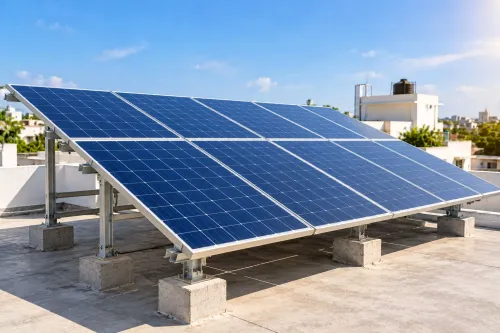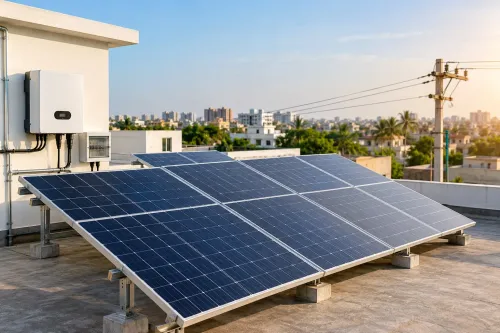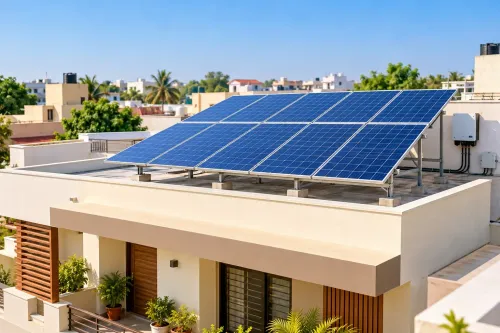
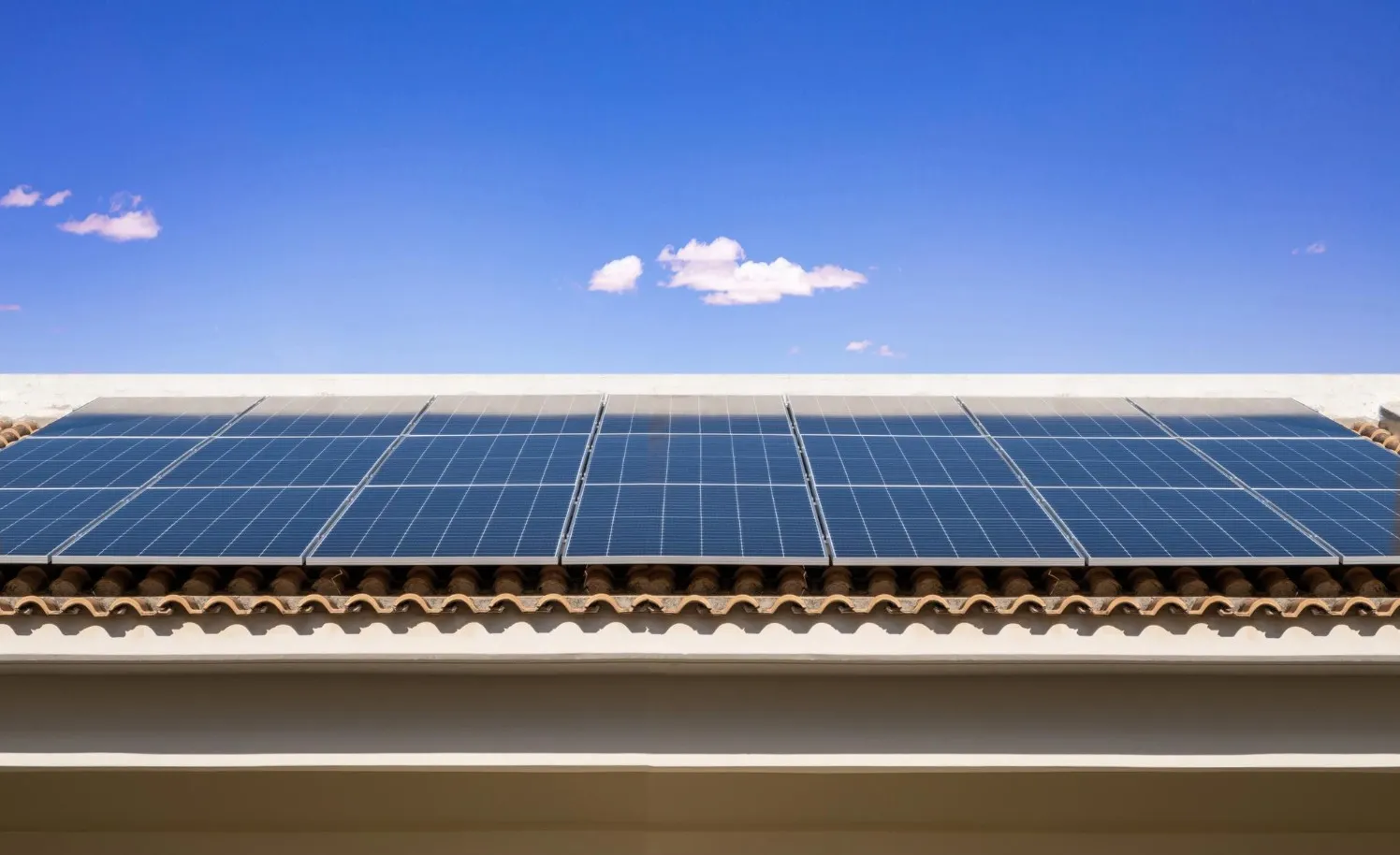
Unused terraces and building rooftops can become productive energy-generating spaces when site conditions are suitable. Rooftop Solar Panel Installation allows homes, offices, commercial establishments, institutions, and other properties to produce electricity close to where it is consumed.
For urban property owners in Nagpur, rooftop solar can be particularly interesting because it does not usually require separate land exclusively for the solar array.
Rooftop Solar Makes Use of Existing Space
One of the main advantages of rooftop systems is their ability to utilize an existing part of the building.
Solar modules can be mounted on appropriate residential, commercial, and institutional rooftops while leaving ground-level areas available for their normal purposes.
However, total terrace size and usable solar area are not the same thing.
Water tanks, staircases, parapet walls, equipment rooms, ventilation units, antennas, and shaded areas may reduce the space available for panels.
Sunlight Exposure Needs Careful Assessment
Solar modules produce electricity when exposed to sunlight. Therefore, panel placement should minimize avoidable shading.
A site survey may evaluate shadows created by:
- Nearby buildings
- Trees
- Water tanks
- Walls
- Communication equipment
- Other rooftop structures
Shading patterns can also change during the day and across seasons.
A roof that appears completely sunny at one particular hour may experience shadows at another time. This is why proper assessment is more useful than simply estimating space visually.
Structural Suitability Matters
Solar panels, mounting structures, and related components add load to a roof.
The condition and type of rooftop therefore need consideration before installation. Mounting structures must also withstand environmental exposure over many years.
Installation planning should account for wind conditions, appropriate fastening methods, corrosion resistance, and waterproofing considerations.
These factors are particularly important because a solar installation is expected to remain outdoors continuously.
Different Buildings Have Different Energy Patterns
Residential properties may have relatively low daytime consumption when occupants are away. Offices, schools, clinics, shops, and commercial facilities may consume much of their electricity during daylight hours.
This difference can influence system sizing and configuration.
Reviewing electricity bills and usage patterns helps determine whether a particular capacity is suitable.
Access Should Remain Available
Panels require occasional cleaning and inspection.
A rooftop design that fills every available corner without leaving appropriate access can make maintenance unnecessarily difficult.
Thoughtful layouts provide enough room for technicians to reach panels, electrical equipment, and existing rooftop infrastructure safely.
This consideration becomes increasingly important for larger installations.
Rooftop Solar Supports Local Energy Generation
Generating electricity at the building can reduce the quantity of grid electricity required during solar production hours.
In Maharashtra, consumers evaluating rooftop systems should also understand applicable electricity connection procedures, metering requirements, and current policies relevant to their system category.
These administrative factors should be checked as part of project planning rather than treated as an afterthought.
A Suitable Roof Is the Starting Point
Rooftop solar works best when physical space, sunlight exposure, electrical demand, structural conditions, and equipment design align.
Ms365 Solar Solution evaluates solar requirements for residential and commercial properties in Nagpur, helping customers understand whether their available rooftop can support an appropriately sized system.
Rather than beginning with a predetermined system capacity, property owners can start by assessing their electricity consumption and roof conditions. This creates a stronger foundation for a solar installation designed around the building's actual characteristics.
Keywords