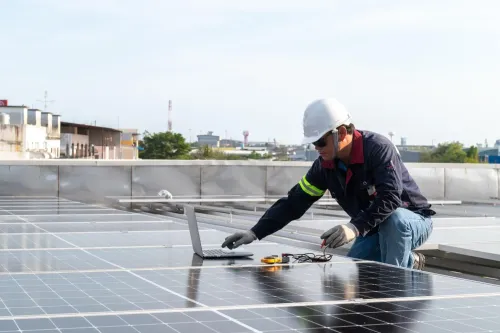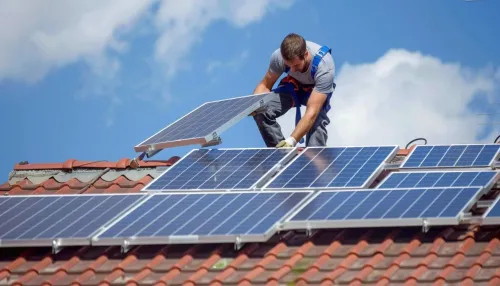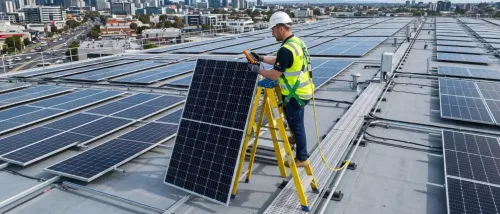
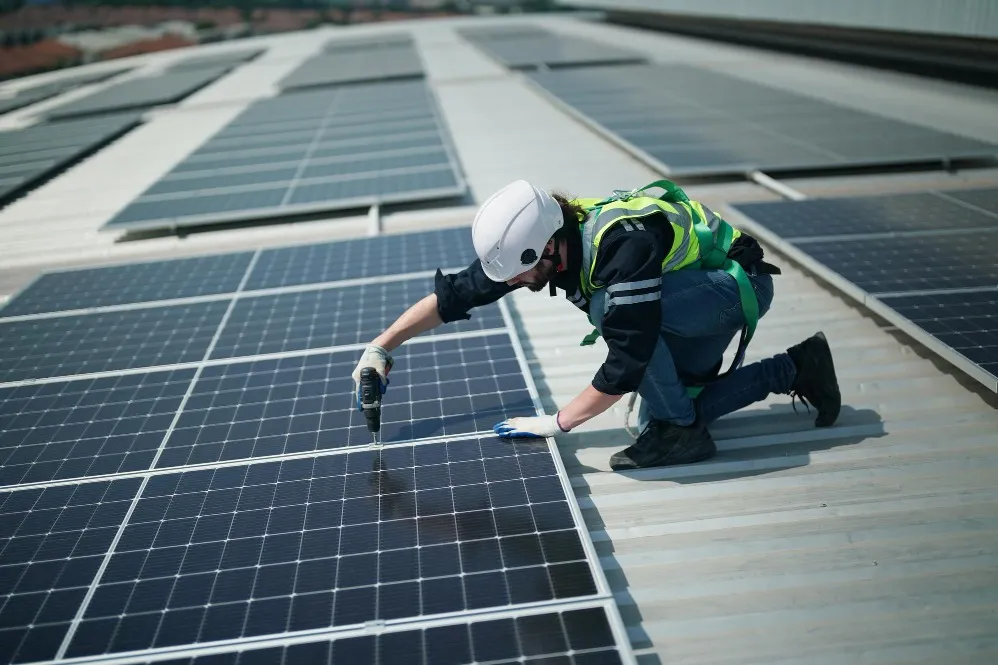
As electricity demand continues to rise across residential communities, commercial establishments, industries, and public infrastructure, large-scale renewable energy systems are becoming an increasingly practical solution. A well-planned Solar Plant Installation enables organizations to generate clean electricity, improve energy security, and reduce long-term operating expenses while making efficient use of available land or rooftop space.
With excellent solar radiation throughout much of the year, Nagpur and the wider Maharashtra region provide favourable conditions for solar power generation, making it an attractive option for businesses, institutions, and government organizations planning long-term energy investments.
Understanding What a Solar Plant Includes
A solar plant is much more than a collection of photovoltaic panels. It is a carefully engineered system designed to convert sunlight into reliable electricity while maintaining operational safety and efficiency.
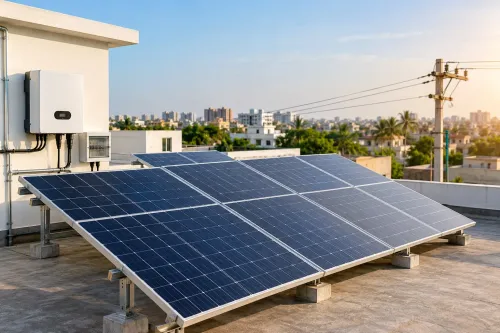
A typical solar plant consists of:
- Solar photovoltaic modules
- Inverters
- Mounting structures
- Transformers where applicable
- Electrical protection systems
- Monitoring and control equipment
- Cabling and switchgear
Each component is selected according to the project's capacity, site conditions, and expected energy demand.
Applications Across Multiple Sectors
Solar plants are suitable for a wide variety of users looking to generate significant amounts of renewable energy.
Common applications include:
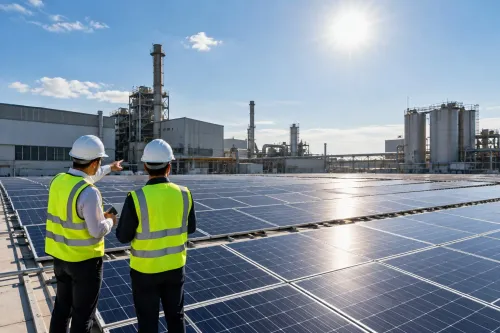
- Manufacturing facilities
- Industrial parks
- Commercial complexes
- Educational institutions
- Hospitals
- Government buildings
- Warehousing facilities
- Agricultural operations
- Housing societies
Every installation is designed around the property's energy requirements, available space, and future expansion plans.
Key Considerations Before Starting a Project
Successful solar projects begin with thorough planning rather than equipment selection alone.
Important factors include:
- Current electricity consumption
- Site suitability
- Structural assessment
- Grid connectivity
- Local regulations
- Future energy requirements
- Budget planning
A detailed technical assessment helps determine the most suitable system capacity while ensuring efficient energy generation over the long term.
Best Practices for Long-Term Performance
The lifespan of a solar plant depends on proper engineering, quality components, and regular maintenance.
Good operational practices include:
- Cleaning solar modules at recommended intervals
- Monitoring daily power generation
- Inspecting electrical connections
- Scheduling preventive maintenance
- Reviewing inverter performance
- Conducting periodic safety inspections
Routine servicing helps maintain consistent energy production and minimizes unexpected downtime.
Why Professional EPC Services Matter
Large-scale renewable energy projects involve engineering, procurement, construction, electrical integration, testing, and commissioning. Choosing an experienced EPC contractor helps simplify project execution while maintaining quality standards throughout every stage.
Professional project management also reduces installation delays, improves system reliability, and supports long-term operational performance.
Choosing a Reliable Installation Partner
Property owners and organizations should evaluate a provider's technical capability, project experience, engineering expertise, and post-installation support before making a decision.
Many businesses and institutions in Nagpur work with Ms365 Solar Solution for complete solar EPC services covering system design, procurement, installation, commissioning, and maintenance support. Customers researching renewable energy projects often explore the solutions available through 365solarsolution.com to understand which systems best suit their operational requirements.
A professionally executed Solar Plant Installation supports cleaner energy generation while helping organizations improve operational efficiency and prepare for future energy needs across Maharashtra.
Keywords