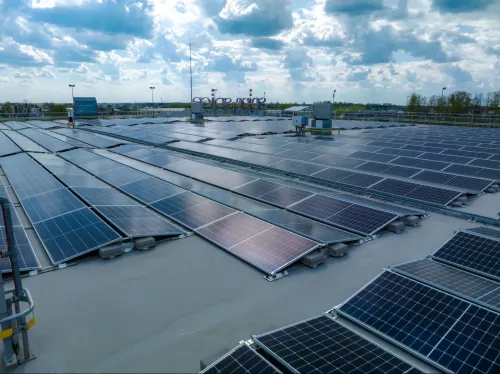

Homeowners are increasingly considering rooftop solar as electricity consumption rises with air conditioners, water pumps, refrigerators, entertainment systems, home offices, and other appliances. Residential Solar Panel Installation can reduce the amount of conventional electricity a household needs to purchase, but choosing an appropriate system requires more than estimating roof size.
For homeowners in Nagpur, a few practical checks can make the decision much clearer.
Review Your Electricity Bills
Start by collecting recent bills rather than guessing household consumption.
Look at electricity usage over several months because demand may change between summer, monsoon, and winter.
Nagpur households with substantial air-conditioning use, for example, may experience noticeable seasonal differences.
Historical consumption provides a useful starting point for estimating an appropriate solar capacity.
Understand When Electricity Is Used
Two households with similar monthly bills can have different consumption patterns.
One family may use substantial electricity during the daytime because people work from home. Another may consume most power after sunset.
This distinction matters because solar panels generate electricity primarily during daylight hours.
The installer should understand both total consumption and the household's general usage pattern.
Inspect the Rooftop Carefully
Before installation, check whether the roof has adequate unobstructed space.
Common obstacles include:
- Water tanks
- Staircases
- Parapet walls
- Trees
- Neighbouring buildings
- Antennas
- Existing solar water heaters
Potential future construction should also be considered. Installing panels where another floor is expected to be built soon can create avoidable relocation work later.
Decide What You Expect From Solar
Homeowners sometimes approach solar with very different expectations.
Some primarily want to reduce electricity bills. Others want backup during outages. Some want to maximize renewable energy usage.
These goals can require different system configurations.
A standard grid-connected installation should not automatically be assumed to provide backup during a grid failure. Customers requiring backup should specifically discuss battery-based or suitable hybrid configurations.
Ask What the Quotation Includes
A residential quotation should clearly identify the system components and scope.
Check details for:
- Solar modules
- Inverter
- Mounting structure
- Cables
- Electrical protection
- Earthing
- Monitoring
- Installation work
- Applicable warranties
Comparing complete specifications helps homeowners understand differences between proposals.
Consider Maintenance Access
Panels may need periodic cleaning, particularly in dusty environments.
Nagpur's dry conditions can result in dust settling on exposed surfaces. The layout should therefore provide reasonable access for cleaning and inspection.
Avoid a design that uses every centimetre of rooftop space but makes routine maintenance difficult.
Check Current Applicable Procedures
Grid-connected residential systems may involve electricity distribution company procedures, metering requirements, and other administrative steps.
Policies and eligibility conditions can change over time, so the requirements applicable at the time of installation should be confirmed as part of project planning.
Know When Your Home Is Ready
A home is generally worth assessing for solar when it has meaningful electricity consumption, adequate sunlight exposure, usable rooftop space, and no immediate structural changes planned for the installation area.
Ms365 Solar Solution helps homeowners in Nagpur evaluate residential solar requirements according to consumption and site conditions.
The most suitable system is not automatically the largest one that fits on the terrace. It is the one planned around the household's electricity use, available solar area, expected purpose, equipment quality, and long-term requirements. Evaluating these factors first can make the move to residential solar considerably more informed and practical.
Keywords