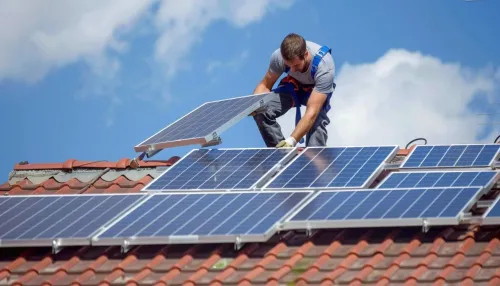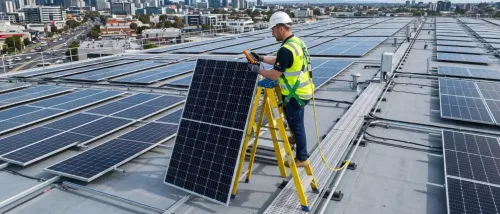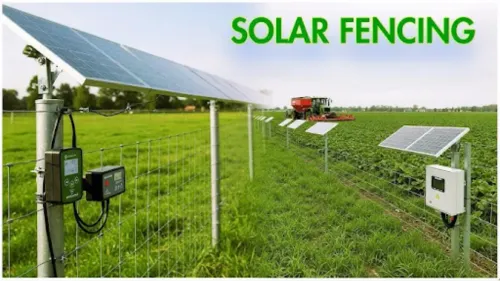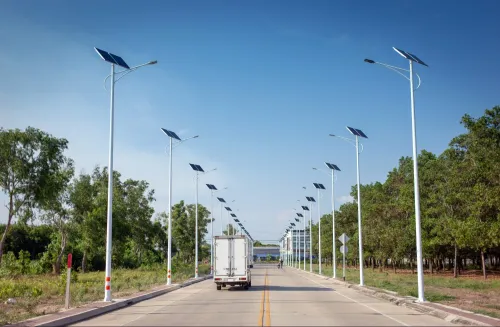
A solar project can range from a modest system serving a single property to a substantially larger installation supporting commercial, institutional, agricultural, or industrial energy requirements. Successful Solar Plant Installation begins well before panels arrive at the site. Load assessment, site feasibility, system design, equipment selection, electrical integration, safety, and future maintenance all influence project performance.
Organizations and property owners planning solar projects in Nagpur should therefore treat the initial assessment as an important part of the investment.
Define the Energy Requirement First
System planning should start with electricity data.
For an existing property, several months of electricity bills can provide valuable information about consumption. Larger commercial and industrial facilities may also need a more detailed review of load profiles and operating hours.
For a new project, expected electricity requirements should be estimated using planned equipment and operating schedules.
Key information can include:
- Monthly electricity consumption
- Daytime electrical load
- Peak demand
- Working hours
- Seasonal variations
- Planned expansion
This establishes a foundation for determining suitable system capacity.
Assess the Installation Site
The physical site determines what can realistically be installed.
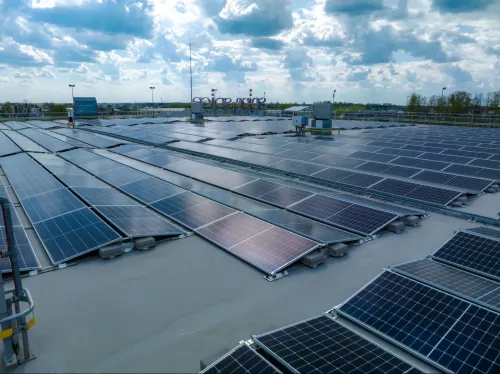
Rooftop projects require an assessment of usable area, shading, structural conditions, equipment placement, and maintenance access.
Ground-mounted projects involve additional considerations such as land availability, terrain, drainage, access, fencing, and cable routes.
Solar exposure should be studied carefully because avoidable shading can reduce generation.
Select the Appropriate System Configuration
Not every project requires the same solar architecture.
Grid-connected systems may suit properties with reliable electricity connections and significant daytime consumption. Independent systems can be relevant where grid access is limited. Other configurations may incorporate energy storage depending on the operational requirement.
The correct choice should follow the site's needs rather than a preference for a particular technology.
Review Equipment as a Complete System
Solar modules often receive the most attention, but a plant contains many interconnected components.
Evaluation should include:
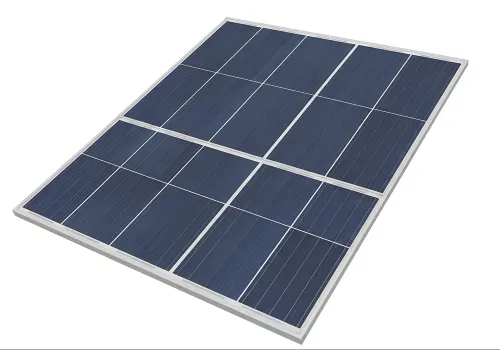
- Solar panels
- Inverters
- Mounting structures
- Cables
- Protection equipment
- Earthing
- Monitoring systems
- Batteries where required
Component compatibility is important. Selecting premium modules while overlooking inverter design, protection equipment, or mounting quality does not necessarily create a well-engineered installation.
Consider Safety and Maintainability
Solar plants operate outdoors for extended periods and involve electrical equipment.
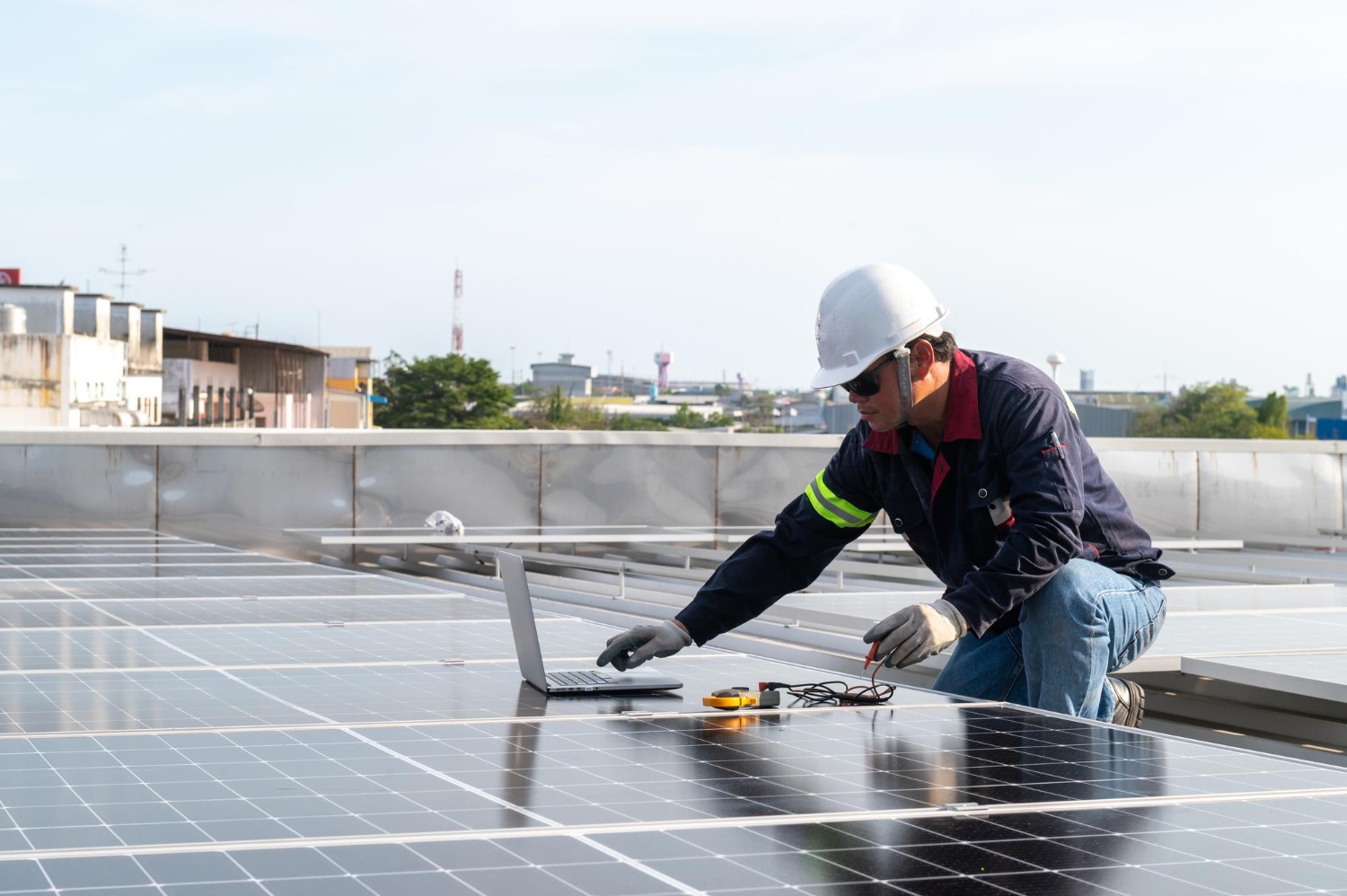
Proper cable routing, earthing, protection, equipment placement, structural stability, and safe maintenance access should be incorporated during design.
Planning for maintenance from the beginning can also reduce operational inconvenience later.
For larger plants, monitoring becomes especially useful because it allows operators to observe generation trends and identify unexpected performance changes.
Evaluate Economics With Practical Assumptions
Financial evaluation should consider more than the initial project price.
Depending on the installation, relevant factors may include:
- Expected annual generation
- Electricity tariff
- Percentage of energy used directly
- Maintenance requirements
- Equipment replacement considerations
- Applicable policies
- Expected operating period
Projected savings should use realistic assumptions rather than ideal conditions.
Look at Future Energy Requirements
Solar plants are long-term installations, while electricity requirements can change.
A factory may add production equipment. A school may construct another building. A commercial facility may introduce electric vehicle charging. An institution may expand its operating hours.
Known future changes should be discussed during initial planning so that today's installation does not unnecessarily restrict tomorrow's options.
Choose a Provider That Can Explain the Proposal
Customers should expect a solar proposal to answer practical questions.
Why has a particular capacity been recommended? How was generation estimated? What equipment is included? What site conditions were considered? What maintenance will be needed?
A provider that can explain these points clearly makes it easier for customers to evaluate the project.
Ms365 Solar Solution provides solar energy solutions for residential, commercial, industrial, and other applications in Nagpur. The appropriate project scope depends on the site's electricity demand, available space, technical conditions, and intended use.
Across Maharashtra, solar adoption is increasingly relevant to customers seeking greater use of renewable energy and better management of conventional electricity consumption. The strongest installations begin with accurate assessment rather than equipment selection alone. When load data, site conditions, system configuration, safety, component quality, and future requirements are considered together, a solar plant can be planned around genuine long-term energy needs.
Keywords