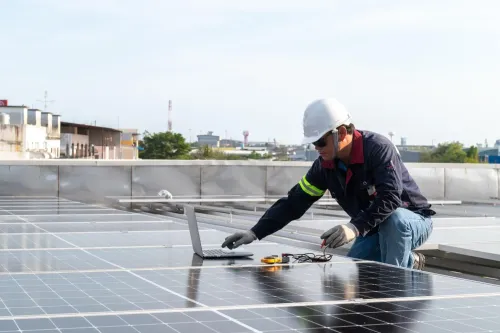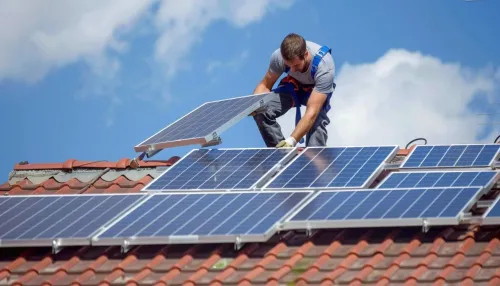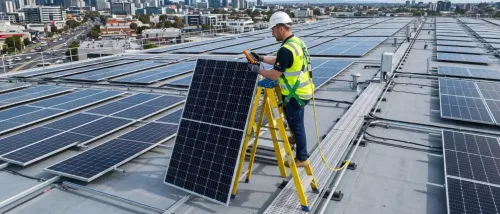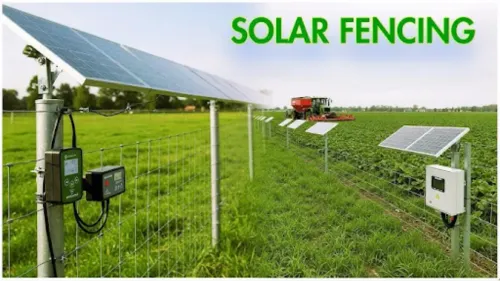
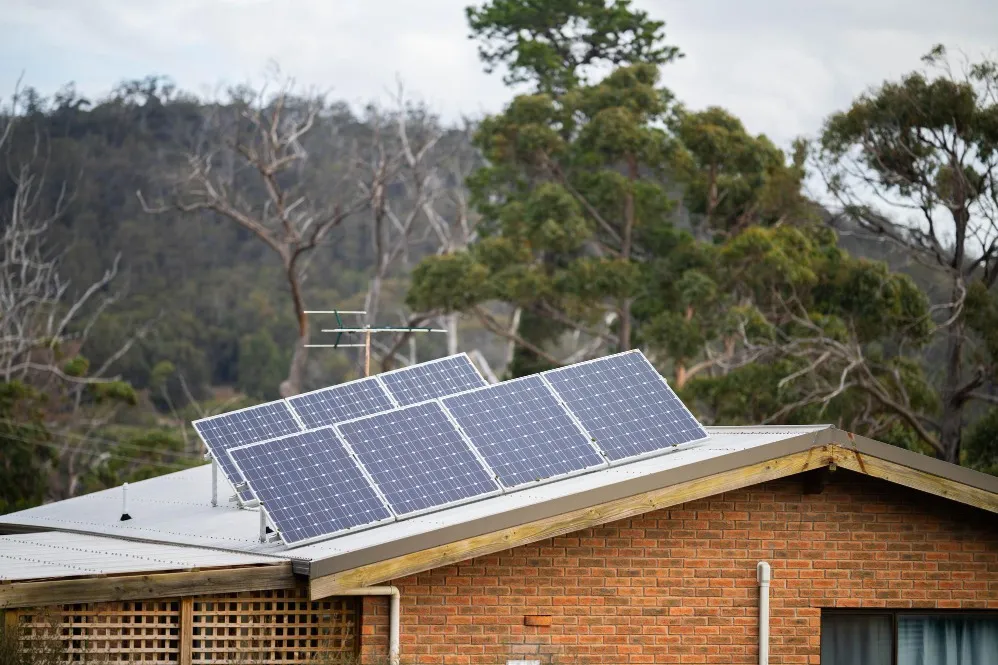
Access to uninterrupted electricity is essential for homes, farms, institutions, and businesses. However, properties located in remote areas or regions with frequent power interruptions often require an alternative source of electricity. An Off Grid Solar Panel system provides an independent power solution by generating and storing electricity without relying on the utility grid.
For many users in Nagpur and rural areas across Maharashtra, off-grid solar systems have become an effective way to improve energy reliability while making use of abundant sunlight.
What Is an Off Grid Solar System
Unlike grid-connected systems, an off-grid solar installation operates independently by storing the electricity generated during the day in batteries for later use.
A standard system usually consists of:
- Solar panels
- Solar inverter
- Battery bank
- Charge controller
- Mounting structure
- Electrical protection devices
- Monitoring components
Together, these components provide electricity even when grid power is unavailable.
Who Should Consider an Off Grid System
Off-grid solar solutions are particularly useful for locations where grid access is limited or unreliable.
Suitable applications include:
- Agricultural farms
- Rural homes
- Farmhouses
- Remote industrial sites
- Telecommunications infrastructure
- Educational institutions in remote areas
- Healthcare centres
- Construction sites
Each installation is designed according to the user's daily electricity consumption and backup requirements.
Advantages of Independent Solar Power
Many property owners choose off-grid systems because they provide greater energy autonomy.
Some of the key advantages include:
- Electricity without grid dependence
- Reliable backup during outages
- Renewable energy utilization
- Reduced fuel consumption compared to generator-only systems
- Quiet operation
- Lower environmental impact
These benefits make off-grid solar a practical solution for locations where uninterrupted electricity is essential.
Important Planning Considerations
Designing an off-grid system requires careful evaluation because battery storage must match expected energy demand.
Factors commonly assessed include:
- Daily electricity usage
- Backup duration required
- Seasonal sunlight availability
- Battery capacity
- Future energy expansion
- Roof or ground installation space
Accurate planning helps ensure consistent power availability throughout the year.
Maintaining an Off Grid Solar System
Regular maintenance contributes to reliable long-term performance.
Maintenance typically includes:
- Cleaning solar panels
- Monitoring battery condition
- Inspecting inverter operation
- Checking electrical connections
- Reviewing system performance reports
Following recommended maintenance schedules helps maximize system efficiency and equipment life.
Choosing the Right Solar Partner
Off-grid systems require specialized engineering because both energy generation and storage must be carefully balanced. Working with an experienced EPC contractor helps ensure that every component is appropriately sized for the intended application.
Many customers in Nagpur rely on Ms365 Solar Solution for professionally designed off-grid solar projects across residential, agricultural, and commercial sectors. The company's renewable energy solutions, available through 365solarsolution.com, offer useful information for property owners evaluating independent solar power systems.
An Off Grid Solar Panel system provides dependable electricity for locations where uninterrupted power is essential. With proper design, quality equipment, and expert installation, it can deliver long-term energy independence while supporting sustainable development across Maharashtra.
Keywords