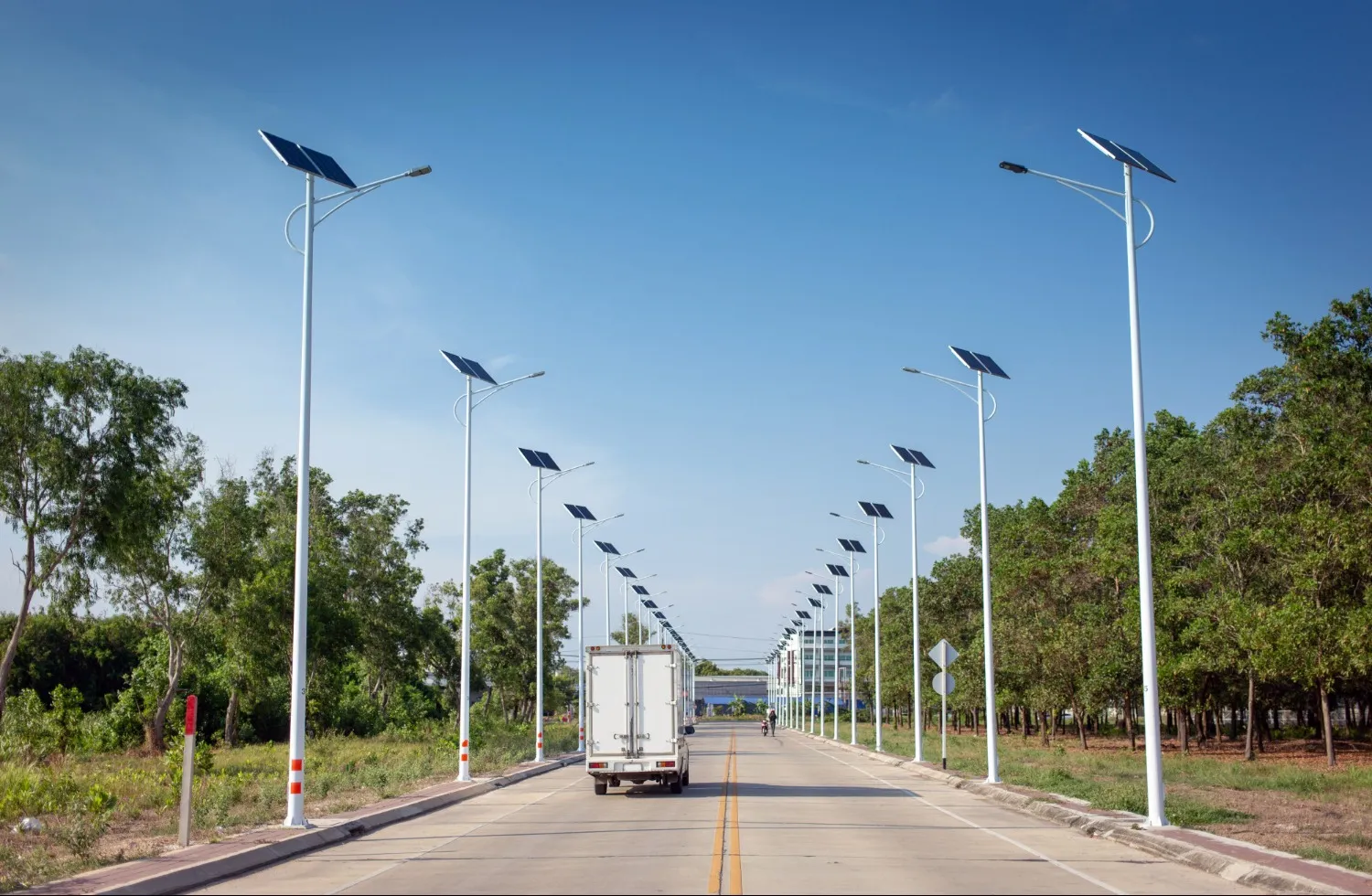
Outdoor lighting is essential for roads, pathways, campuses, farms, housing developments, industrial premises, parking areas, and many other open spaces. Extending conventional electrical wiring to every lighting point can sometimes be difficult, especially where locations are dispersed. Solar Street Lights provide an alternative by generating and storing energy directly at or near the lighting point.
In Nagpur and surrounding areas of Maharashtra, these systems can be considered for locations that receive suitable sunlight and require independent outdoor illumination.
How Solar Lighting Operates
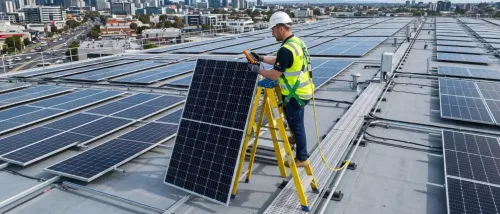
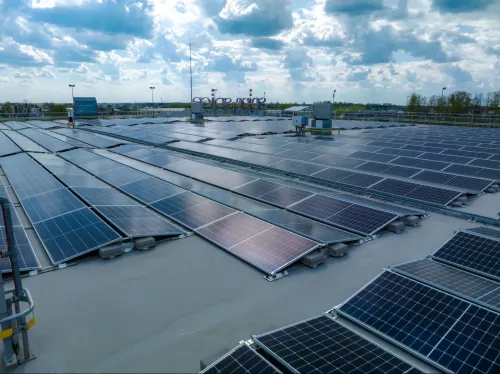
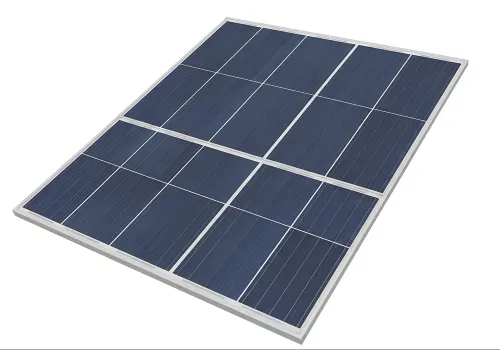
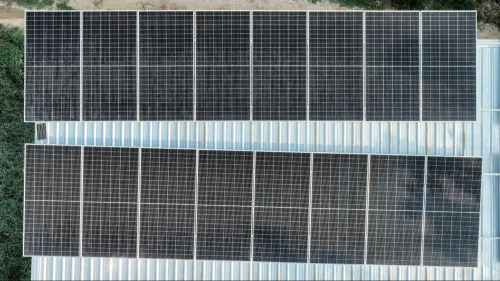
A typical solar lighting system includes a photovoltaic panel, battery, LED luminaire, charge controller, pole, and mounting components.
During daylight hours, the panel generates electricity and charges the battery. Stored energy is then used to power the light after sunset.
Many systems incorporate automatic controls that switch lighting on and off based on ambient conditions.
Where Independent Lighting Is Useful
Solar lighting can be considered for a broad range of applications, including:
- Internal roads
- Farm pathways
- Residential layouts
- Educational campuses
- Industrial premises
- Parking areas
- Gardens
- Institutional grounds
- Remote access roads
- Security perimeters
The strongest use cases are often locations where installing underground or overhead electrical cabling would add complexity.
Panel Exposure Is Essential
The solar panel needs sufficient sunlight to recharge the battery.
A lighting point positioned beneath dense trees or next to a structure that creates prolonged shade may not receive adequate solar exposure.
Site planning should therefore consider the panel's sunlight access rather than choosing pole positions solely according to lighting requirements.
Battery Capacity Influences Night Operation
The battery must store enough energy to support the intended lighting duration.
Required capacity depends on several variables:
- LED wattage
- Number of operating hours
- Solar panel capacity
- Battery technology
- Control settings
- Seasonal solar availability
Poor matching between these components can affect reliability.
Light Distribution Matters as Much as Wattage
Selecting a street light based only on wattage does not guarantee suitable illumination.
Pole height, spacing, beam distribution, road width, application, and expected brightness all influence lighting quality.
For example, a narrow pedestrian pathway requires a different layout from an industrial access road or large parking area.
The lighting requirement should therefore be defined before equipment is selected.
Maintenance Should Remain Practical
Solar lights reduce dependence on continuous electrical cabling, but they still contain components that require periodic attention.
Panels can accumulate dust and debris. Batteries have finite service lives. Electrical connections and mounting components should also be inspected periodically.
Nagpur's dry and dusty periods make panel cleanliness particularly relevant for outdoor solar equipment.
Assess the Site Before Selecting the Product
A good solar lighting project begins by identifying where light is needed, how much illumination is required, how long the light should operate, and how much sunlight is available at each installation point.
Ms365 Solar Solution supplies solar energy solutions for different applications in Nagpur, including outdoor lighting requirements.
Customers should compare equipment specifications alongside practical site factors rather than choosing purely by advertised wattage. When panel capacity, battery storage, LED output, pole arrangement, and sunlight exposure are properly matched, solar lighting can provide a practical solution for many outdoor environments across Maharashtra.
Keywords