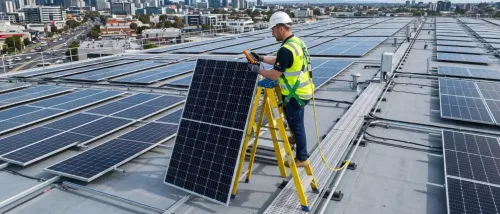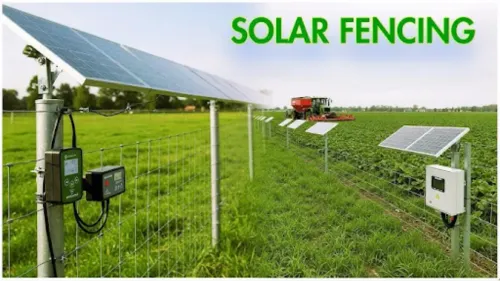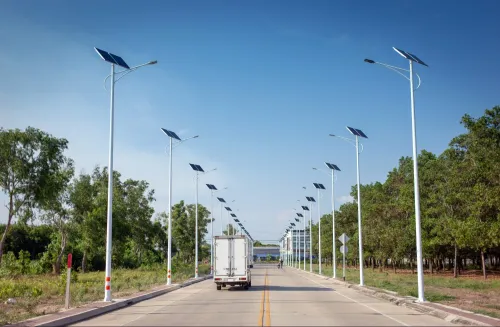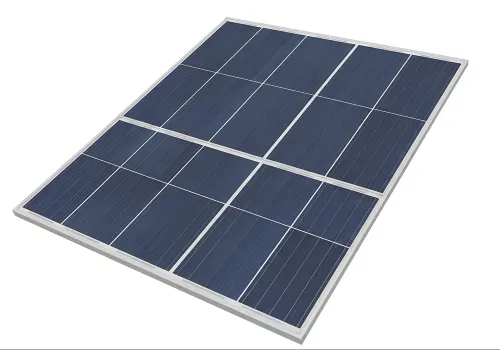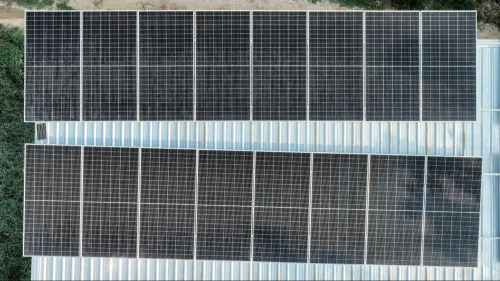
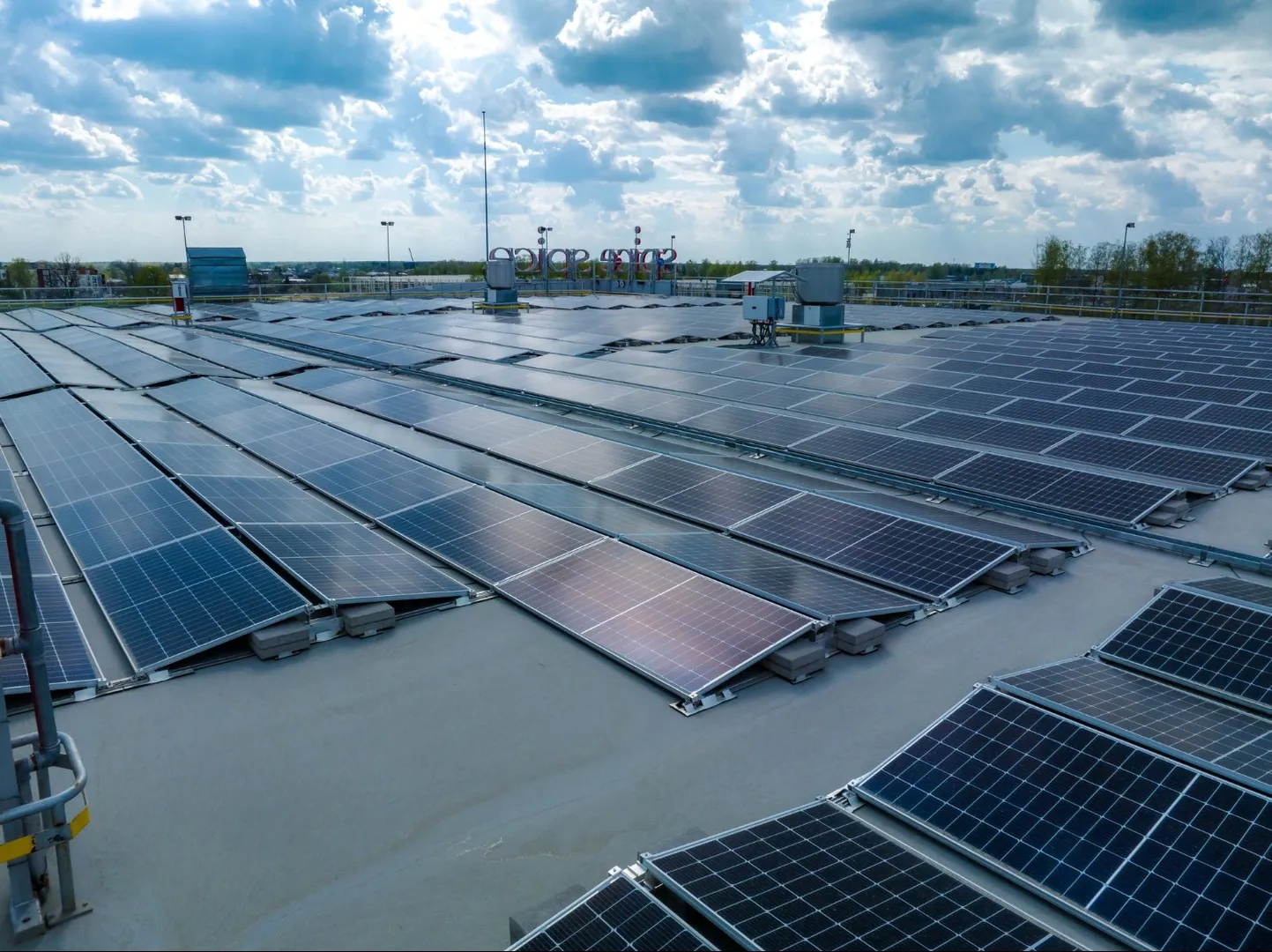
Manufacturing units and industrial facilities often operate energy-intensive equipment for long hours. Motors, pumps, compressors, production machinery, ventilation systems, lighting, and office infrastructure can create substantial electricity demand. Industrial Solar Panel Installation allows suitable facilities to generate part of that electricity from available roof or site space.
For industrial operations in and around Nagpur, solar planning requires a more detailed approach than simply estimating how many modules can fit on a factory roof.
Begin With the Industrial Load Profile
Industrial electricity consumption can vary significantly throughout the day.
A factory operating one daytime shift has a different consumption pattern from a facility running continuously. Some machines may create large temporary loads, while others operate steadily.
A useful assessment may review:
- Historical electricity bills
- Daytime consumption
- Peak demand
- Shift timings
- Seasonal production changes
- Planned machinery additions
- Available sanctioned load
This information helps establish a realistic basis for system sizing.
Large Roofs Can Create Solar Opportunities
Factories, warehouses, workshops, and industrial sheds often have substantial rooftop areas.
That can create opportunities for larger photovoltaic arrays, but usable space must still be assessed carefully.
Industrial roofs may contain:
- Ventilators
- Skylights
- Exhaust systems
- HVAC equipment
- Service pathways
- Water tanks
- Structural obstructions
Solar layout planning should work around these features while preserving appropriate access.
Structural Assessment Becomes More Important
Industrial rooftops differ considerably in construction.
A solar mounting solution suitable for one building may not automatically suit another. Roof age, material, load-bearing capability, wind exposure, fastening method, and waterproofing concerns all need consideration.
For larger projects, structural suitability should be established before installation rather than assumed from available surface area.
Daytime Loads Can Improve Solar Utilization
Industrial facilities with substantial daytime electricity consumption can often use solar electricity while it is being generated.
This direct relationship between production and consumption is one reason industrial solar receives significant attention.
However, the expected generation profile should still be compared with the actual facility load instead of simply maximizing installed capacity without analysis.
Safety and Electrical Integration Matter
Industrial electrical systems can be considerably more complex than domestic installations.
Solar integration should account for:
- Existing distribution infrastructure
- Protection systems
- Earthing
- Cable routing
- Inverter placement
- Isolation requirements
- Maintenance access
Equipment selection should be compatible with the scale and electrical characteristics of the project.
Financial Evaluation Should Use Realistic Inputs
Industrial decision-makers often want to understand expected savings and investment recovery.
Useful calculations should be based on realistic assumptions about system generation, electricity tariffs, self-consumption, maintenance, equipment performance, and applicable policies.
Overly optimistic projections can create unrealistic expectations.
A more conservative and transparent estimate is usually more useful for capital planning.
Plan for Future Operations
Industrial facilities change.
Production lines expand, additional machinery is introduced, roofs are modified, and electrical consumption increases. Solar planning should therefore consider known expansion plans wherever possible.
Ms365 Solar Solution works with industrial customers in Nagpur to evaluate site-specific solar requirements and installation possibilities.
For businesses across Maharashtra considering renewable energy as part of operational energy management, the strongest projects begin with data. A clear understanding of electricity consumption, roof conditions, electrical infrastructure, safety requirements, and future production needs allows industrial solar to be planned as a functional part of the facility rather than as an isolated rooftop addition.
Keywords