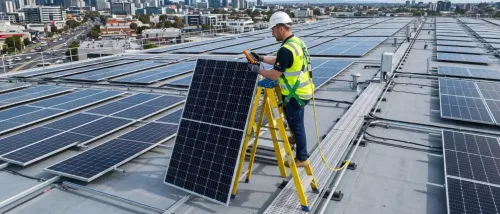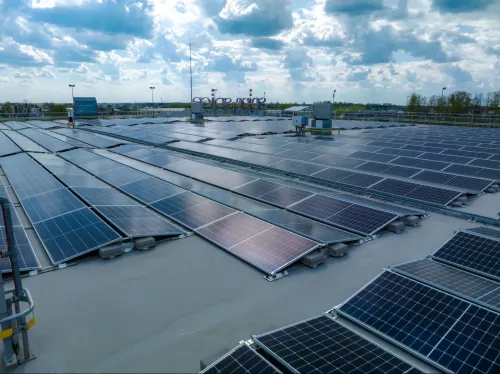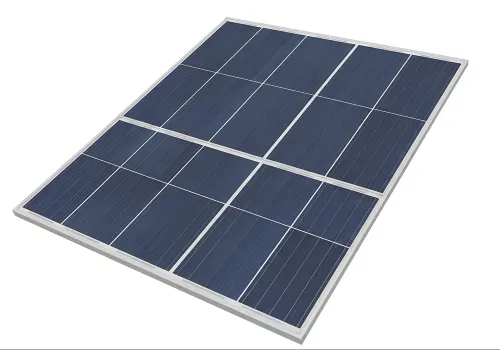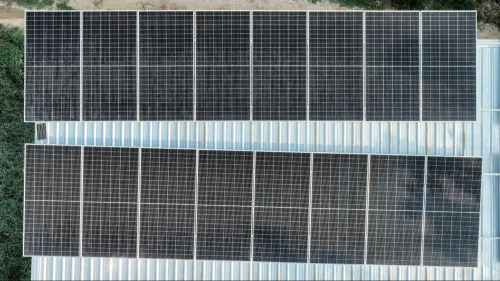
Many property owners considering solar energy do not necessarily want to disconnect from their existing electricity supply. On Grid Solar Panels are designed for this type of requirement, allowing solar generation to operate alongside the conventional electricity network.
For homes and businesses in Nagpur, understanding this arrangement can help clarify what happens when panels generate more or less electricity than a property needs at a particular time.
What an On-Grid System Does
An on-grid solar system is connected to the electricity grid.
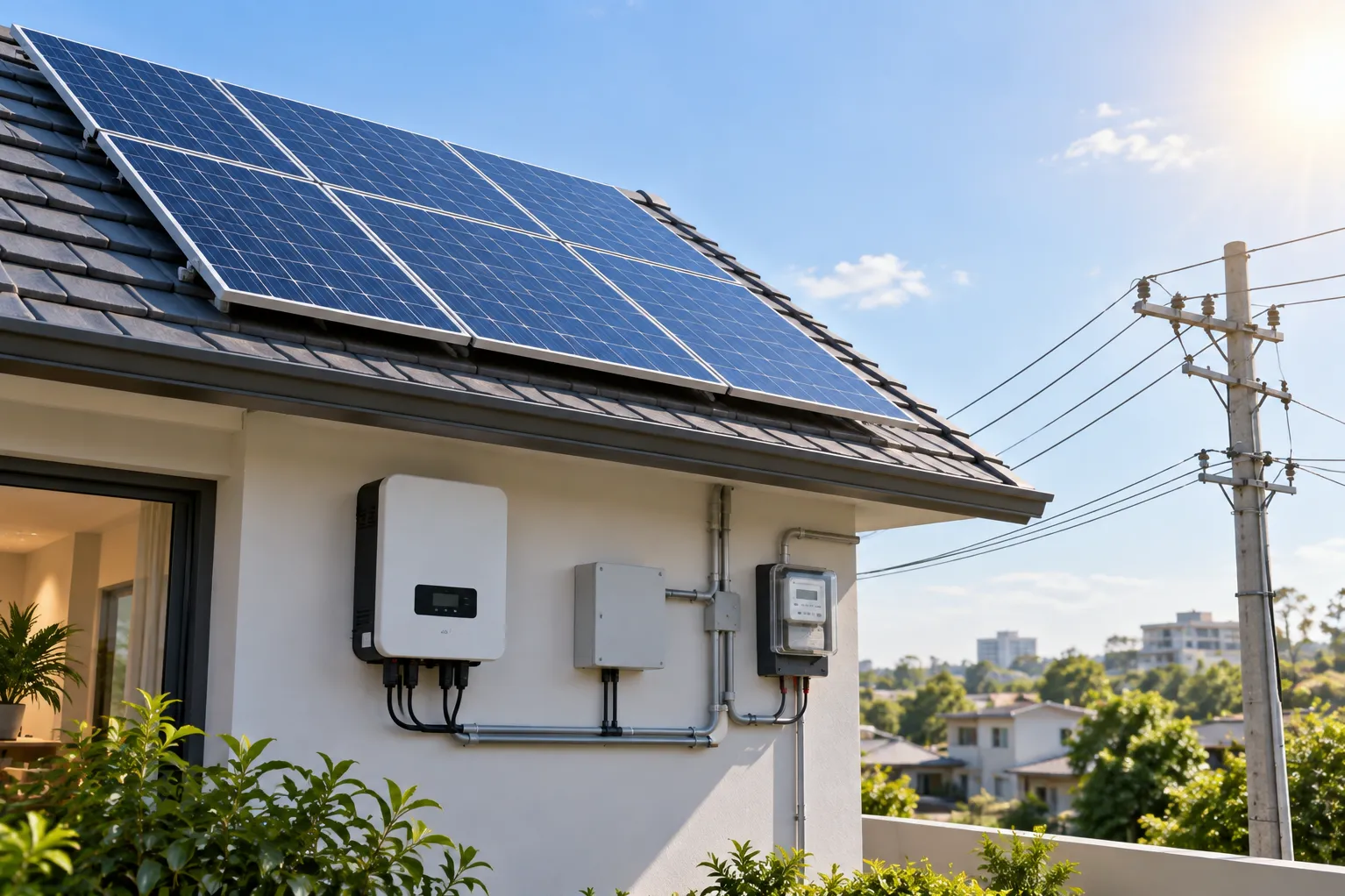
During daylight hours, solar panels generate direct-current electricity. A grid-connected inverter converts this into alternating-current electricity compatible with the property's electrical system.
The solar electricity can then contribute to the building's active electricity demand.
When solar production is lower than consumption, the property can draw the balance from the grid. Treatment of surplus electricity depends on the applicable metering arrangement and current local regulations.
The Main Components
An on-grid installation commonly includes:
- Solar photovoltaic modules
- Grid-connected inverter
- Module mounting structures
- AC and DC cabling
- Protection equipment
- Earthing
- Metering arrangements
- Monitoring facilities
Component selection should be based on system capacity, roof conditions, electrical design, and applicable standards.
Why Daytime Consumption Is Important
Consider a commercial establishment that operates throughout the day.
Computers, air conditioners, lights, equipment, and other loads consume electricity at the same time the solar panels are generating power. This can create a strong match between solar production and electricity demand.
A household may have a different pattern, particularly when family members are away during working hours.
This does not automatically make solar unsuitable, but it does mean consumption patterns should be studied before determining system capacity.
On-Grid Solar Is Different From Backup Power
A common misunderstanding is that every solar system will automatically keep the building powered during an electricity outage.
Standard grid-connected solar installations generally have safety mechanisms that stop exporting electricity when the grid goes down. This protects technicians working on electricity infrastructure.
Customers requiring backup during outages need to discuss suitable system configurations and storage options separately.
Understanding this distinction before purchase prevents incorrect expectations later.
System Sizing Should Be Evidence Based
A useful starting point is to collect several recent electricity bills.
These provide information about:
- Monthly units consumed
- Seasonal demand changes
- Billing patterns
- Sanctioned load where relevant
- Historical electricity expenditure
The installer can combine this information with available roof area and expected solar generation to recommend an appropriate capacity.
Local Conditions Still Influence Results
Nagpur receives substantial sunshine, which supports interest in photovoltaic systems throughout the region. Yet solar output is not determined by city-level sunshine alone.
Panel orientation, tilt, shading, module quality, inverter performance, cleanliness, temperature, system losses, and installation quality can all influence generation.
Periodic monitoring can help users identify unexpected changes in performance.
Deciding Whether Grid-Connected Solar Fits Your Property
On-grid systems are generally worth evaluating when a property has a reliable grid connection, suitable installation space, and meaningful electricity consumption.
Ms365 Solar Solution works with customers in Nagpur to assess solar requirements based on electricity usage and site conditions. Customers should also understand current Maharashtra electricity regulations and applicable procedures when planning a grid-connected installation.
The key is to view on-grid solar as an integrated energy system rather than simply a collection of panels. When consumption, capacity, roof conditions, electrical design, and grid requirements are considered together, the installation can be planned far more effectively.
Keywords