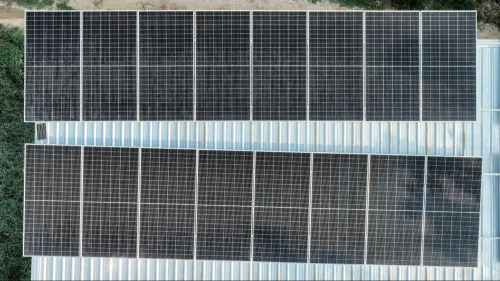

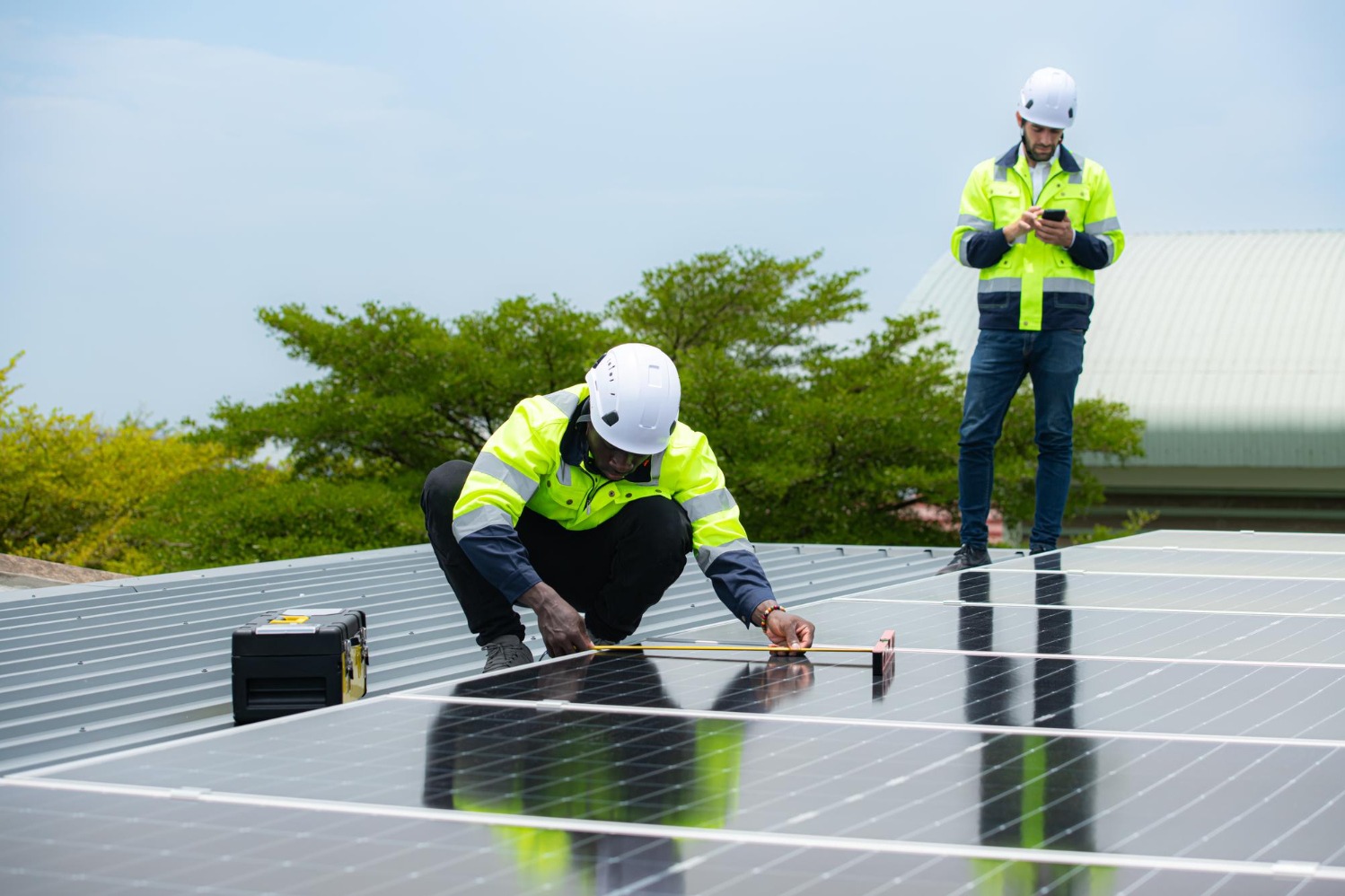
Installing solar panels is no longer just an environmentally conscious decision—it has become a practical financial investment for many homeowners and businesses. With electricity prices continuing to rise, more people are looking for ways to generate their own power and reduce long-term energy expenses. However, choosing the right Solar Panel Installation is about much more than selecting a few panels and placing them on a rooftop.
For property owners in Umred, understanding how different systems, components, and installation methods compare can help avoid costly mistakes and ensure better returns over the years. Taking time to evaluate your options before investing can make a noticeable difference in performance, durability, and savings.
Why Proper Solar Panel Installation Matters
The quality of installation has a direct impact on how efficiently a solar power system performs. Even premium solar panels may not generate expected results if they are installed incorrectly or without proper planning.
A professionally designed installation helps achieve:
- Higher electricity generation
- Better rooftop utilization
- Improved safety
- Longer equipment life
- Reduced maintenance issues
- Better return on investment
The installation process should always begin with a detailed assessment rather than a standard package that treats every property the same.
What Should Be Evaluated Before Installing Solar Panels?
Every home and commercial building has unique energy requirements. A reliable installation begins with understanding those requirements instead of simply choosing the largest available system.
Some important factors include:
- Average monthly electricity consumption
- Available rooftop space
- Roof orientation and tilt
- Structural strength
- Future electricity needs
- Local weather conditions
- Shading from nearby trees or buildings
These factors help determine the most suitable solar capacity and layout.
Comparing Different Types of Solar Panels
Not all solar panels perform in the same way. Choosing the right technology depends on available space, budget, and expected energy output.
The most commonly used options include:
Monocrystalline Panels
These panels are known for their high efficiency and sleek appearance. They perform well even when rooftop space is limited and are often preferred for residential installations.
Polycrystalline Panels
Polycrystalline panels are generally more affordable and remain a practical choice for larger rooftops where space is less of a concern.
Bifacial Panels
These advanced panels can capture sunlight from both sides under suitable conditions, helping improve overall energy production in certain installations.
Understanding these differences allows buyers to make informed decisions instead of focusing only on the purchase price.
Installation Cost Should Not Be the Only Decision Factor
It is natural to compare quotations from different providers. However, the lowest price may not always deliver the best value.
When comparing installation proposals, look beyond the total cost and consider:
- Quality of solar panels
- Inverter specifications
- Mounting structure durability
- Installation standards
- Warranty coverage
- Technical support
- Maintenance services
A slightly higher initial investment often results in better long-term performance and fewer unexpected repair costs.
Questions to Ask Before Choosing an Installer
Selecting an experienced installation partner is just as important as choosing quality equipment.
Consider asking:
- Has the company completed similar projects?
- Will a site survey be conducted before installation?
- What warranties are included?
- How is system performance evaluated?
- Is after-sales support available?
- Are certified components being used?
Clear answers to these questions provide greater confidence before making a significant investment.
Common Mistakes Buyers Should Avoid
Many first-time buyers focus only on panel capacity without considering the complete system.
Some common mistakes include:
- Ignoring roof condition
- Choosing oversized or undersized systems
- Comparing only installation prices
- Overlooking inverter quality
- Selecting installers without proper experience
- Failing to understand maintenance requirements
Avoiding these mistakes helps improve both system reliability and long-term savings.
How Long Does Installation Take?
The installation timeline depends on the size and complexity of the project.
A standard residential system can often be completed within a few days after approvals and material availability. Larger commercial or industrial projects may require additional time because of structural work, electrical integration, and testing.
A professional installer will explain each stage of the process, including design, installation, inspection, and commissioning.
What Happens After Installation?
A solar system should not be ignored once it becomes operational. Periodic maintenance helps maintain efficiency throughout its lifespan.
Routine care includes:
- Cleaning the solar panels
- Inspecting electrical connections
- Monitoring inverter performance
- Checking mounting structures
- Reviewing energy generation reports
Simple maintenance practices can help keep the system operating efficiently for many years.
Making an Informed Solar Investment
Solar energy offers long-term value when the system is planned carefully and installed correctly. Instead of choosing a provider based only on pricing, property owners should compare equipment quality, engineering expertise, warranties, and service support.
For homeowners and businesses in Umred, investing time in evaluating different installation options can lead to better energy production, lower electricity bills, and greater peace of mind. Ms365 Solar Solution supports customers through detailed site assessments, customized system recommendations, professional installation, and dependable after-sales assistance. By focusing on quality rather than shortcuts, a well-installed solar power system can deliver reliable performance and sustainable savings for decades.