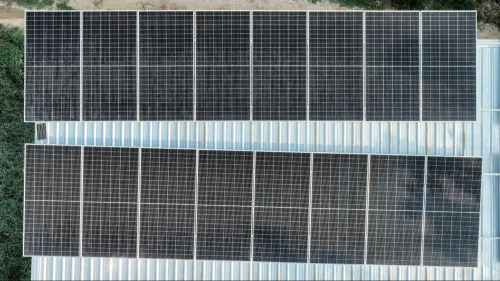


As more people look for ways to manage rising electricity costs, solar energy has become one of the most practical investments for residential and commercial properties. Among the various options available, the On-Grid Solar Panel System is one of the most widely installed because it allows users to generate their own electricity while staying connected to the utility grid.
For property owners in Chandrapur, where sunshine is available for most of the year, an on-grid solar system can be an efficient way to reduce monthly electricity expenses. However, before making a decision, it is important to understand how this type of system works, where it performs best, and whether it suits your energy requirements.
What Is an On-Grid Solar Panel System?
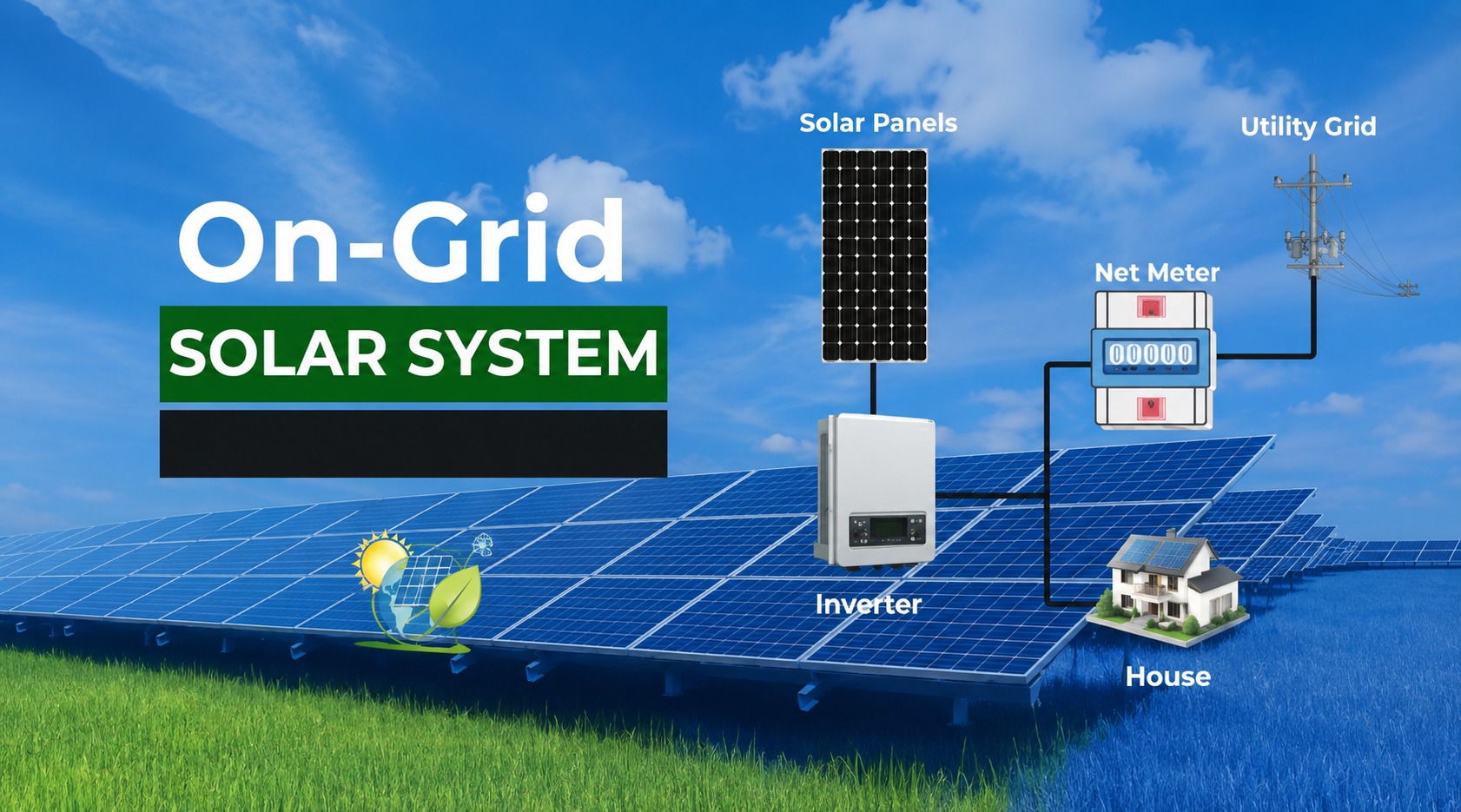
An on-grid solar panel system, also known as a grid-connected solar system, generates electricity using solar panels while remaining connected to the local electricity network.
During the day, the solar panels produce electricity that is used to power appliances, equipment, and electrical systems within the property. If the system generates more electricity than is immediately required, the excess power can be supplied to the electricity grid, depending on applicable regulations and utility policies.
Whenever solar production is lower than the property's electricity demand, power is automatically drawn from the grid. This seamless operation makes on-grid systems a popular choice for homes, offices, schools, hospitals, and commercial establishments.
How Does an On-Grid Solar System Work?
The process is straightforward but highly efficient.
The system typically includes:
- Solar panels
- Grid-tied inverter
- Mounting structures
- Safety protection devices
- Electrical wiring
- Monitoring equipment
The solar panels convert sunlight into direct current (DC) electricity. The inverter then converts this into alternating current (AC), which is suitable for everyday electrical appliances. The generated electricity is first used within the property, while additional power can be exported to the grid when permitted.
Who Should Consider an On-Grid Solar System?
An on-grid system is ideal for properties that already have a reliable electricity connection and consume significant power during daylight hours.
It is commonly installed in:
- Individual homes
- Apartment buildings
- Commercial offices
- Retail outlets
- Educational institutions
- Hospitals
- Hotels
- Warehouses
- Manufacturing facilities
Properties with consistent daytime electricity consumption usually experience the greatest benefits.
Advantages of an On-Grid Solar Panel System
Choosing an on-grid solar solution offers several practical advantages beyond reducing electricity bills.
Some of the key benefits include:
- Lower dependence on purchased electricity
- Better utilization of rooftop space
- Reduced long-term energy costs
- Clean and renewable energy generation
- Low maintenance requirements
- Long equipment lifespan
- Scalable system design for future expansion
These advantages make on-grid solar one of the most cost-effective renewable energy solutions available today.
How Is It Different from an Off-Grid System?
Many buyers compare on-grid and off-grid systems before making a decision.
An on-grid system:
- Remains connected to the electricity grid
- Does not typically require battery storage
- Uses grid electricity whenever solar production is insufficient
- Is generally more economical for locations with a stable electricity supply
An off-grid system:
- Operates independently of the electricity grid
- Requires battery storage
- Is often selected for remote areas without reliable grid access
Understanding these differences helps buyers choose the system that matches their property's actual requirements.
Factors to Evaluate Before Installation
Every building is different, so a detailed site assessment is essential before installation.
Professionals generally evaluate:
- Monthly electricity consumption
- Available rooftop area
- Roof orientation
- Structural condition
- Shading from nearby buildings or trees
- Future electricity demand
- Local utility requirements
A well-planned design helps maximize energy generation throughout the year.
Common Mistakes to Avoid
While on-grid solar systems are relatively straightforward, certain mistakes can reduce their performance.
Property owners should avoid:
- Selecting systems based only on price
- Ignoring rooftop condition
- Choosing low-quality components
- Installing oversized or undersized systems
- Hiring inexperienced installers
- Neglecting periodic maintenance
A properly designed system provides greater efficiency and better long-term reliability than one selected solely for its lower upfront cost.
Maintenance Requirements
One of the reasons on-grid solar systems are popular is their minimal maintenance.
Routine maintenance generally includes:
- Cleaning solar panels regularly
- Inspecting electrical connections
- Monitoring inverter performance
- Checking mounting structures
- Reviewing energy generation reports
These simple maintenance activities help ensure consistent system performance for many years.
Choosing the Right Solar Partner
An on-grid solar system is a long-term investment, so choosing an experienced installation company is just as important as selecting quality equipment. Professional planning, proper engineering, and reliable after-sales support all contribute to better system performance and customer satisfaction.
For homeowners and businesses in Chandrapur and across Maharashtra, an on-grid solar panel system offers an effective way to reduce electricity expenses while making use of clean, renewable energy. Ms365 Solar Solution helps customers evaluate their energy requirements, recommend appropriately sized systems, and complete installations that follow industry best practices. With careful planning and quality workmanship, an on-grid solar solution can deliver dependable energy savings and reliable performance for decades.