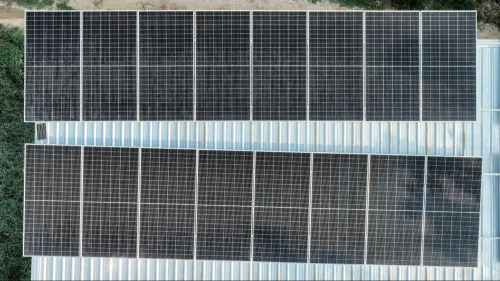


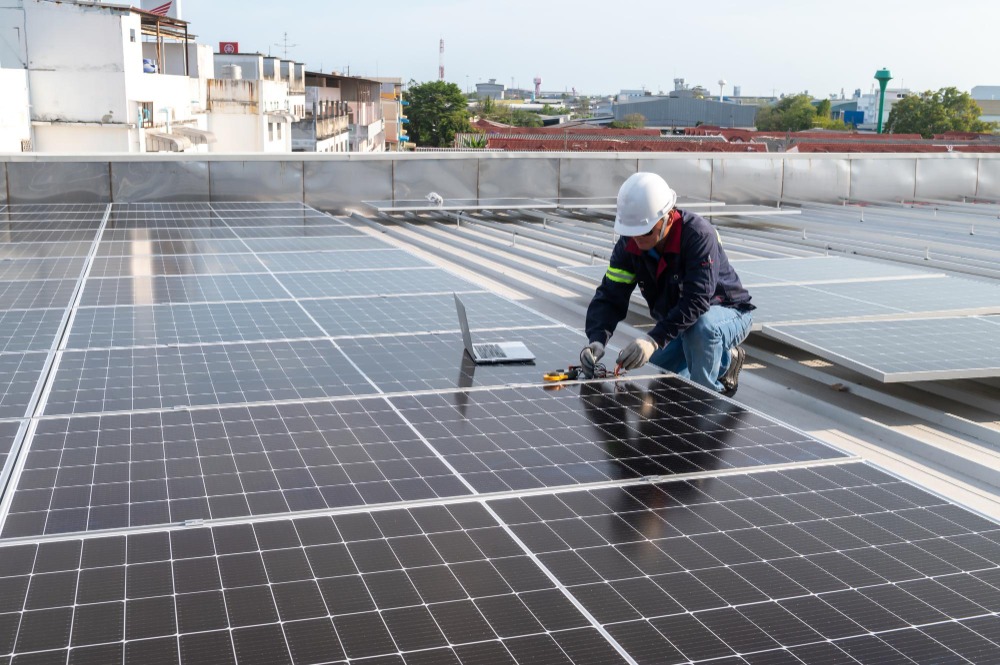
Industrial operations rely heavily on consistent electricity to keep production running efficiently. Rising power costs and increasing sustainability goals have encouraged many manufacturing facilities to explore renewable energy solutions. Among the most effective options is Industrial Solar Panel Installation, which enables factories and industrial units to generate a significant portion of their own electricity.
For industries operating in Nagpur and other parts of Maharashtra, abundant sunlight creates favorable conditions for adopting industrial-scale solar energy systems.
Why Industries Are Investing in Solar Energy
Energy expenses form a substantial part of manufacturing and production costs. Solar power offers an opportunity to reduce dependence on conventional electricity while supporting long-term operational planning.
Industries are increasingly considering solar because it can help:
- Offset daytime electricity consumption
- Improve energy efficiency
- Reduce operational expenses
- Support sustainability initiatives
- Lower carbon emissions
- Enhance energy resilience
The actual benefits depend on system size, energy usage patterns, and project design.
Understanding an Industrial Solar System
Industrial solar projects are larger and more complex than residential installations.
A typical system may include:
- High-capacity solar modules
- Industrial-grade inverters
- Mounting structures
- Protection equipment
- Monitoring systems
- Grid connectivity
- Safety components
Every project is engineered according to the facility's available space, electricity demand, and operational schedule.
Suitable Industries for Solar Adoption
Solar power can support a wide range of industrial sectors.
Examples include:
- Manufacturing plants
- Food processing units
- Textile industries
- Warehouses
- Automobile facilities
- Pharmaceutical companies
- Engineering workshops
- Packaging industries
Each facility requires a customized design to maximize available roof space and overall system efficiency.
Factors That Influence System Performance
Several conditions affect the output of an industrial solar installation.
These include:
- Roof orientation
- Panel placement
- Local weather conditions
- Dust accumulation
- Equipment quality
- Proper electrical design
- Regular maintenance
Professional engineering ensures that these factors are carefully considered during project planning.
Planning Before Installation
A successful project begins with detailed evaluation rather than equipment selection alone.
The planning process usually involves:
- Energy consumption analysis
- Site inspection
- Structural assessment
- Shadow analysis
- System sizing
- Financial evaluation
- Installation planning
Proper planning helps create a system that aligns with present requirements while allowing future expansion if needed.
Safety and Compliance Matter
Industrial electrical systems require strict adherence to engineering standards.
A professionally designed installation focuses on:
- Electrical protection
- Fire safety measures
- Proper cable management
- Structural integrity
- Quality-certified equipment
- Safe commissioning procedures
Following recognized installation practices contributes to reliable long-term operation.
Selecting an Experienced Solar EPC Partner
Industrial solar projects involve engineering, procurement, installation, testing, and long-term support. Working with an experienced EPC contractor can simplify project execution and help ensure quality across every stage.
Companies such as Ms365 Solar Solution provide complete industrial solar solutions, including system design, equipment selection, installation, and project management. Businesses in Nagpur evaluating renewable energy options often review the company's offerings through 365solarsolution.com to understand which solutions align with their operational requirements.
As industries continue to focus on cost optimization and sustainable growth, Industrial Solar Panel Installation has become an important consideration for organizations seeking reliable, renewable energy while making effective use of available infrastructure.