


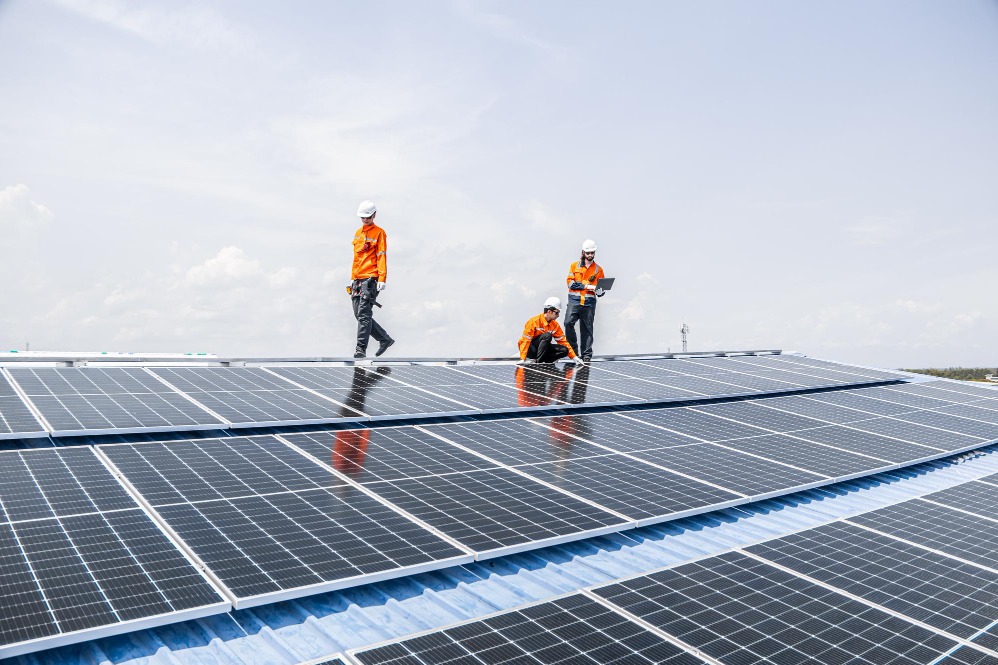
Energy is one of the largest recurring operational expenses for manufacturing facilities. From running heavy machinery and production lines to powering lighting, compressors, cooling systems, and administrative offices, electricity consumption can account for a significant portion of monthly operating costs. As industries look for practical ways to improve efficiency, Industrial Solar Panel Installation has become an increasingly viable solution.
For manufacturing businesses in Bhandara, investing in industrial solar power is not only about reducing electricity bills. It is also about improving energy reliability, controlling long-term operating expenses, and supporting sustainable manufacturing practices. Before making the investment, however, it is important to understand how industrial solar systems work and whether they are suitable for your facility.
Why Industries Are Moving Towards Solar Energy
Industrial facilities often operate for extended hours, consuming large amounts of electricity every day. Rising power tariffs can gradually increase production costs, affecting overall profitability.
Installing an industrial solar panel system allows businesses to generate a substantial portion of their electricity from renewable energy. Instead of relying entirely on the grid, industries can offset part of their daily consumption with solar power generated directly at the facility.
Some of the major advantages include:
- Lower monthly electricity expenses
- Reduced dependence on grid power
- Improved control over energy costs
- Long operational lifespan
- Low maintenance requirements
- Environmentally responsible energy generation
These benefits make industrial solar a strategic investment rather than simply an infrastructure upgrade.
Is Every Industrial Facility Suitable for Solar?
Not every manufacturing unit has identical energy requirements or installation conditions. A proper evaluation helps determine whether solar is the right fit.
Several factors are considered before designing the system:
- Average monthly electricity consumption
- Available rooftop or open installation area
- Roof load-bearing capacity
- Factory operating hours
- Existing electrical infrastructure
- Future expansion plans
- Shading from nearby structures
A detailed site survey ensures the solar system is designed to match actual production requirements instead of estimated figures.
Rooftop vs Ground-Mounted Solar Systems
Industrial facilities generally have two installation options.
Rooftop Solar
Factories with large, unobstructed roofs often choose rooftop systems because they utilize existing space without affecting daily operations.
Ground-Mounted Solar
Facilities with sufficient unused land may prefer ground-mounted systems, especially when larger power generation capacity is required.
The choice depends on site conditions, energy demand, and available installation space.
How Industrial Solar Helps Reduce Operating Costs
Electricity is a recurring expense that continues throughout the life of a manufacturing unit. Solar energy reduces the amount of power purchased from the electricity grid during daylight hours.
Over time, businesses may benefit from:
- Reduced production costs
- Better budgeting for energy expenses
- Improved return on infrastructure investment
- Greater financial stability against rising electricity tariffs
For industries operating multiple shifts, solar can significantly offset daytime energy consumption.
What Components Make Up an Industrial Solar System?
A reliable industrial solar installation consists of more than just solar panels.
The complete system generally includes:
- High-efficiency solar panels
- Industrial-grade inverter
- Mounting structures
- Electrical protection equipment
- Monitoring systems
- Cabling and connectors
- Safety devices
The quality of every component contributes to the system's overall performance and reliability.
Common Mistakes Industries Should Avoid
Industrial solar projects involve considerable investment, making proper planning essential.
Some mistakes that can reduce performance include:
- Selecting systems based only on price
- Ignoring structural assessment
- Using low-quality components
- Underestimating future electricity requirements
- Choosing inexperienced installation teams
- Neglecting preventive maintenance
Working with qualified professionals helps avoid these issues while ensuring optimal system efficiency.
Maintenance Requirements
Industrial solar systems are designed for long-term operation with relatively low maintenance.
Routine maintenance usually includes:
- Cleaning solar panels
- Inspecting electrical connections
- Monitoring inverter performance
- Checking mounting structures
- Reviewing system output data
- Conducting periodic safety inspections
Regular servicing helps maintain energy generation and extends the system's lifespan.
Questions to Ask Before Investing
Before approving an industrial solar project, decision-makers should ask several practical questions.
These include:
- How much electricity does the facility consume each month?
- What percentage of that demand can solar meet?
- Is the rooftop structurally suitable?
- What warranties are available?
- What maintenance support will be provided?
- Can the system be expanded in the future?
Having clear answers allows businesses to make confident investment decisions.
Building a More Energy-Efficient Manufacturing Facility
Industrial solar panel installation is no longer limited to large corporations. Manufacturing units of different sizes are adopting solar technology to improve operational efficiency, reduce electricity expenses, and strengthen their sustainability initiatives.
For industries in Bhandara and throughout Maharashtra, a carefully designed solar system can deliver dependable performance for decades while supporting long-term business growth. Ms365 Solar Solution works with industrial customers to assess site conditions, design customized solar solutions, and carry out professional installations that align with operational requirements. Investing in industrial solar today can help manufacturers achieve greater energy efficiency while preparing for the evolving demands of tomorrow's industrial landscape.


