

Electricity costs continue to rise, making homeowners look for practical ways to reduce monthly expenses without compromising comfort. One solution that has gained significant popularity is the Solar Water Heater. By using sunlight to heat water, this system helps households meet their daily hot water needs while lowering dependence on conventional electricity or fuel.
For families in Katol, where sunshine is available for most of the year, investing in a solar water heating system can be both environmentally responsible and financially rewarding. Whether it is for bathing, washing, or household cleaning, a properly installed system provides a dependable supply of hot water while contributing to long-term savings.
What Is a Solar Water Heater?
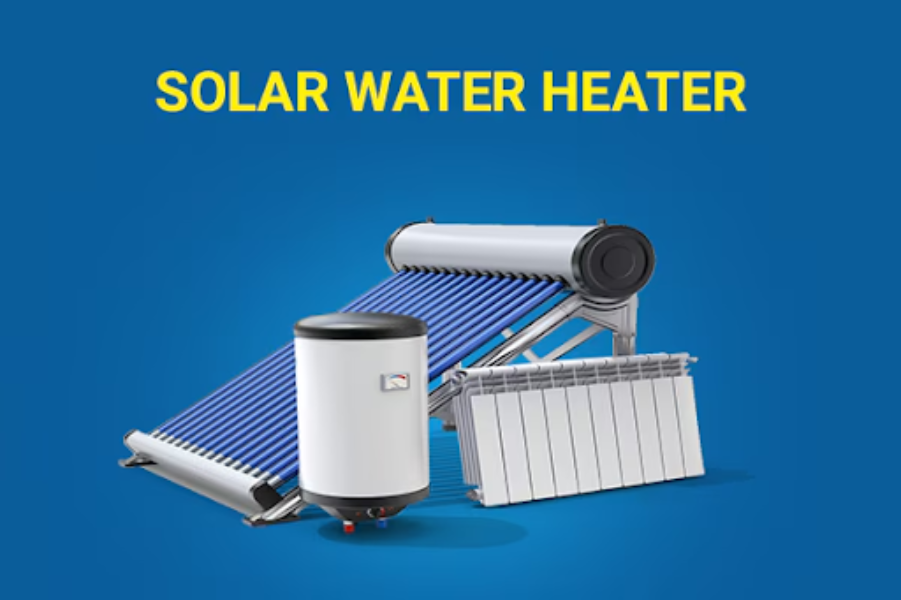
A solar water heater is a system that captures heat from the sun and transfers it to water stored in an insulated tank. Instead of relying on electric geysers or gas heaters, it utilizes renewable solar energy to provide hot water for everyday use.
Most residential systems include:
- Solar collectors that absorb sunlight
- An insulated storage tank
- Connecting pipelines
- Mounting structures
- Safety valves and circulation components
Modern systems are designed to operate efficiently throughout different seasons while requiring minimal maintenance.
Why More Homeowners Are Choosing Solar Water Heating
Traditional water heating methods consume a considerable amount of electricity every day. Over months and years, these costs become a significant part of household utility bills.
A solar water heater helps address this challenge by offering several practical advantages:
- Lower electricity consumption
- Reduced monthly utility expenses
- Reliable hot water availability
- Longer equipment lifespan
- Minimal operating costs
- Reduced environmental impact
These benefits make solar water heating a valuable long-term investment rather than just another home appliance.
Is Katol Suitable for Solar Water Heating?
Yes. Katol experiences abundant sunlight during most months of the year, making it an ideal location for solar-based technologies.
Homes with sufficient rooftop space can efficiently harness solar energy to produce hot water throughout the year. Even during moderately cloudy days, many modern systems continue delivering usable hot water because of insulated storage tanks that retain heat for extended periods.
This natural advantage allows households to maximize the return on their investment while reducing dependence on conventional energy sources.
How Much Can You Save?
Although actual savings depend on water usage and family size, many households notice a meaningful reduction in electricity consumption after switching to a solar water heater.
Factors influencing savings include:
- Number of family members
- Daily hot water requirements
- Existing electricity usage
- Capacity of the installed system
- Local weather conditions
Since electric geysers are among the more energy-intensive household appliances, replacing them with solar-powered systems often results in noticeable reductions in monthly bills.
Choosing the Right Capacity
Selecting the correct system size is essential for efficient performance.
General recommendations include:
- 100 litres for small families
- 200 litres for medium-sized households
- 300 litres or more for larger families or multi-storey homes
A professional assessment helps determine the most suitable capacity based on actual daily water consumption rather than estimated requirements.
What Should You Check Before Installation?
Installing a solar water heater involves more than simply placing panels on the roof.
Homeowners should consider:
- Available rooftop space
- Roof orientation toward sunlight
- Structural strength
- Water storage requirements
- Pipeline routing
- Future maintenance accessibility
Professional planning ensures the system operates efficiently for many years with fewer performance issues.
Common Questions Homeowners Ask
Does it work during winter?
Yes. Solar water heaters continue producing hot water during winter, although heating efficiency may vary depending on weather conditions. Well-insulated tanks help maintain water temperature for longer periods.
Is maintenance expensive?
Not usually. Periodic cleaning of collectors and routine inspections are generally sufficient to keep the system operating efficiently.
Can it replace an electric geyser completely?
In many households, yes. Some families also choose hybrid systems that use electric backup heating only when absolutely necessary.
How long does a solar water heater last?
A quality system installed correctly can deliver reliable performance for 15 to 20 years or even longer with proper maintenance.
Why Professional Installation Makes a Difference
Even the best equipment cannot deliver expected performance if installation is not carried out correctly.
Professional installation helps ensure:
- Proper collector angle
- Secure mounting
- Efficient water circulation
- Leak-free plumbing
- Maximum heat absorption
- Safe long-term operation
Working with experienced installers also makes future servicing and inspections easier.
Making a Sustainable Choice for Your Home
Installing a solar water heater is not just about lowering electricity bills. It is also a step toward cleaner energy use and greater household efficiency. As more families look for practical ways to reduce operating costs, solar water heating continues to stand out as a dependable and environmentally friendly solution.
For homeowners in Katol and surrounding parts of Maharashtra, choosing the right system begins with understanding your family's daily needs and selecting equipment designed for local weather conditions. Companies such as Ms365 Solar Solution help homeowners evaluate suitable options, recommend appropriate capacities, and ensure installations are completed according to industry standards. By investing in a well-planned solar water heating system today, households can enjoy reliable hot water, lower energy costs, and greater peace of mind for many years to come.